
Determining the Ideal Gauge and Mesh Size
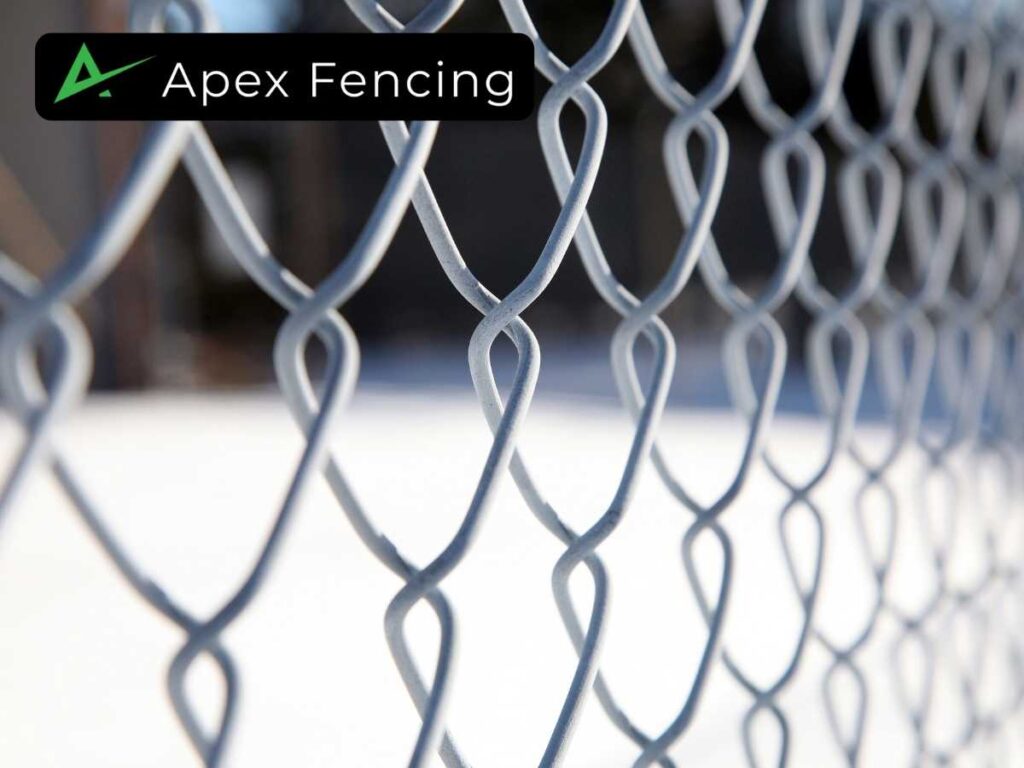
Select the right gauge and mesh to match your dog’s size and behavior; heavier gauges resist bending, tighter mesh stops escapes, and galvanized or vinyl coatings protect against weather and rust.
Heavy-Duty 9-Gauge Steel for Large and Powerful Breeds
Choose 9-gauge steel for large, powerful breeds; 9-gauge offers maximum strength, resists bending and chewing, and reduces escape risk, though it’s more expensive and heavier to install.
Standard 11-Gauge Mesh for Small to Medium Dogs
Consider 11-gauge mesh for small to medium dogs; 11-gauge balances durability and cost, deters most escapes, and remains lighter to install-monitor persistent chewers.
You should choose 11-gauge with 2-inch mesh for most small-to-medium dogs; it offers good strength, is cost-effective, and stays lighter to install. Add a buried apron or concrete footer if you see digging, and pick smaller openings or welded mesh if persistent chewers or tiny breeds can slip through.
Height Requirements for Maximum Containment
Fence height determines escape risk; you’ll match barrier height to breed and energy level. Low-energy dogs often do well with 4-foot fences, while high jumpers typically require 6-foot containment to stop escapes and keep your yard secure.
4-Foot Barriers for Low-Energy Breeds
Short fences suit mellow breeds and puppies; you can rely on a 4-foot chain-link for adequate containment if your dog lacks strong jumping instincts, but watch for digging at the base and add ground anchors if needed.
6-Foot Security for Jumpers and High-Energy Dogs
Tall 6-foot fences prevent most jumps; you should choose heavy-gauge chain-link with tight mesh to reduce footholds and consider overhangs or privacy slats to deter escape attempts.
When you own a jumper or very active dog, upgrade your 6-foot chain-link with heavy-gauge, galvanized or vinyl-coated mesh, reinforced posts set in concrete, and a top tension wire; add a buried footer or gravel trench to stop digging and an inward-angled overhang or roller to prevent escapes. You should inspect connections regularly, tighten sagging sections, and consider privacy slats to minimize climbing opportunities and distractions from passersby.
Weather-Resistant Coating Options for Yadkinville
Yadkinville’s humidity and seasonal sun mean you should choose coatings that resist moisture and UV, reducing corrosion and long-term upkeep so your dog stays secure and your fence lasts.
Galvanized Steel for Superior Rust Protection
Galvanized steel gives you a zinc barrier that fights rust, lowering the chance of weakened links or sharp failures and cutting maintenance in Yadkinville’s moist climate.
Vinyl-Coated Options for Paw Safety and Aesthetics
Vinyl-coated chain-link offers a smooth surface that protects your dog’s paws and gives you better curb appeal while resisting chips and corrosion.
You’ll want thicker vinyl sleeves (around 1.5-2.5 mil or higher) for longer wear; inspect regularly for peeling or UV fade because exposed metal can rust and form sharp edges that harm paws. Consider dark or earth tones to hide dirt and improve longevity against Yadkinville sun.
Security Features to Prevent Digging and Escapes
Dogs often test fences; you should combine buried barriers, bottom tension wires and reinforced rails so persistent diggers can’t create escape routes, plus secure latches to reduce gate slips.
Installing Bottom Tension Wires and Rails
Anchoring the chain link with a bottom tension wire and a lower rail forces soil contact and prevents gaps; you should tighten wires periodically and add ground stakes to stop dogs from pushing under.
Utilizing Concrete Footings for Persistent Diggers
Concrete footings create a permanent barrier below the fence line; you should pour concrete around posts or form a continuous footer to block determined diggers and protect small breeds.
Installing concrete footings requires digging holes at least 12-18 inches deep (deeper where frost or persistent diggers occur), adding compacted gravel, setting posts with rebar if needed, and pouring concrete that extends 6-12 inches outward to prevent tunneling; you should allow proper curing and hire a pro for long runs or rocky soil.
Enhancing Dog Privacy and Reducing Stress
Privacy measures such as slats and windbreak mesh reduce visual triggers so you help your dog stay calmer; reduced eye contact lowers territorial barking and lessens stress when neighbors or wildlife pass by.
High-Density Polyethylene (HDPE) Privacy Slats
Slats made from HDPE slide into chain links to give you immediate privacy, resist moisture and UV, and stand up to chewing better than vinyl; pick UV-stabilized, tightly woven slats for longest life.
Windbreak Mesh to Minimize Territorial Barking
Mesh windbreaks cut sightlines and wind, so you reduce reactive barking while keeping airflow; 40-60% density often balances barking control with ventilation for most dogs.
Installation and selection matter: you should choose material rated for outdoor UV and wind, mount it taut to avoid loops dogs could snag, and match density to behavior-lighter for curious but calm dogs, denser for territorial barkers; improper anchoring can create escape hazards, while properly sized mesh can cut visual triggers and noise.
Compliance with Yadkinville Ordinances and HOAs
Yadkinville rules affect fence height, materials, and setbacks; you should secure permits and HOA approval before installing chain-link to avoid fines or removal orders.
Local Zoning Permits and Property Line Setbacks
Permits often require a site plan showing setbacks; you must confirm property lines and apply to the town to prevent setback violations that trigger penalties.
Navigating Neighborhood Aesthetic Standards
HOAs enforce color and finish rules; you should submit material samples and select vinyl-coated chain-link or approved slat colors to reduce design challenges and mandated changes.
If an HOA objects, you can request a variance, provide photos of nearby compliant fences, or offer compromises like privacy slats and decorative caps; you should keep written approvals and consult town code to avoid unexpected fines or removal orders.
Final Words
Choosing the right chain-link fence for dogs in Yadkinville, NC means thinking beyond basic containment. Fence height, wire gauge, mesh size, coatings, privacy features, and dig-prevention upgrades all play a role in creating a safer and more reliable space for your dog. Whether you need a stronger fence for a large breed, a tighter mesh for a small dog, or added features like privacy slats, bottom tension wire, or concrete footings, the right setup can help prevent escapes and give you more peace of mind. If you are planning a dog-friendly chain-link fence installation in Yadkinville, NC, Apex Fencing can help you choose the right materials and build a fence that fits your yard, your dog’s behavior, and your long-term needs.