
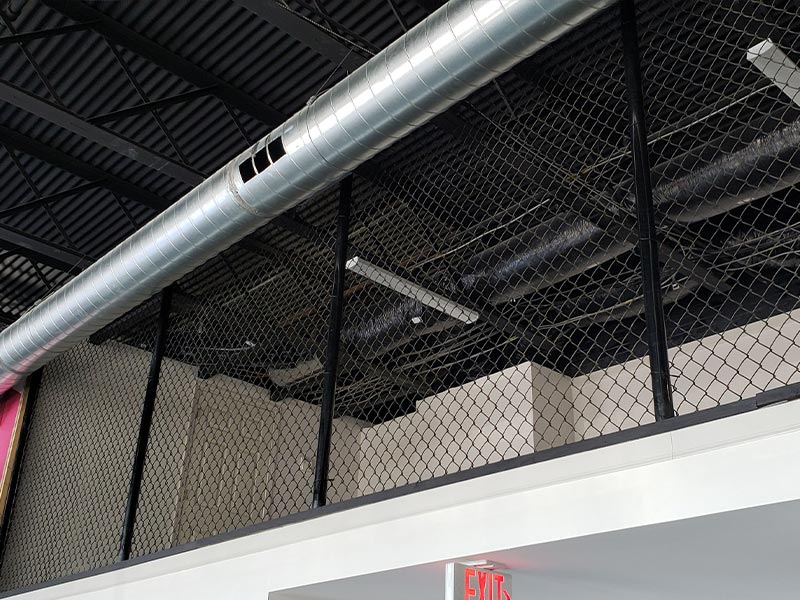
There’s a reason you see chain-link around industrial sites in High Point: it helps you prevent unauthorized access, reduce theft and vandalism, and protect equipment while allowing visibility for security patrols.
Key Takeaways:
- Businesses in High Point use chain-link fencing to establish controlled perimeters with locked gates, keypad or card access, and scheduled entry procedures that limit unauthorized access to yards and equipment.
- Chain-link fencing preserves sight lines for cameras and security patrols, while options like taller panels, barbed wire, and security-topping increase deterrence against theft and vandalism.
- Customizable coatings, privacy slats, and modular panels protect outdoor machinery from weather and opportunistic theft, while offering quick installation and low-maintenance upkeep for manufacturers, contractors, and storage facilities.
The Strategic Value of Chain-Link Fencing for High Point Enterprises
Chain-link fencing gives you clear access control and visible deterrence for loading docks and yards, making it easier to limit entry and protect equipment. Installations with gates and keyed access let you enforce schedules while surveillance-optimized panels reduce blind spots and theft risk.
Durability Against North Carolina Weather Patterns
North Carolina’s storms and humidity test fences, but you can choose galvanized or vinyl-coated chain-link for corrosion resistance, UV protection and proven longevity, so your perimeter and equipment remain secure through wet winters and hot summers.
Cost-Effective Perimeter Security for Large Industrial Lots
You can fence large industrial lots affordably because chain-link reduces material and installation costs per linear foot, letting you secure broad areas while adding gates, vehicle access control, and camera mounts to deter theft and limit operational downtime.
Installing taller panels and double-gate systems lets you create zoned access, integrate lighting and cameras, and choose tamper-resistant fittings so you can limit unauthorized entry; over time the lower lifecycle cost and fewer theft-related repairs make chain-link the economical choice for sprawling sites.
Enhancing Access Control through Integrated Gate Systems
Gate-mounted access controllers paired with chain-link fencing let you centralize entry points, apply time-based permissions, and reduce unauthorized equipment access, enabling quick perimeter lockdowns and smoother shift handoffs.
Automated Entry Solutions for Manufacturing Facilities
Automated gates tied to chain-link fences give you scheduled access, credential scanning, and vehicle detection to prevent unauthorized entry, keeping equipment and deliveries secure around the clock.
Managing Employee and Visitor Traffic Flow
Controlled gate zones and badge readers let you route employees and visitors separately, reducing congestion and exposure of sensitive equipment while maintaining clear audit trails for accountability.
When you separate employee and visitor lanes with turnstiles, swing gates, and chain-link barriers, you lower tailgating risk and protect staging areas; integrate badge readers, QR passes, and timed gates to set restricted access levels, require escorts in high-risk zones, and use cameras and alarms to detect breaches and prevent theft or injury.
Protecting High-Value Assets and Heavy Equipment
You protect high-value assets and heavy equipment using chain-link fencing to control access, create clear perimeters, and resist tampering; pair locked gates and anti-climb toppers with lighting and cameras to keep equipment secure.
Deterring Vandalism and Theft in Outdoor Storage Yards
Chain-link fencing helps you deter vandalism and theft in outdoor storage yards by limiting entry points, improving sightlines for surveillance, and enabling secure, lockable gates that reduce opportunistic crime.
Creating Secure Enclosures for Specialized Machinery
Perimeters constructed with chain-link let you create secure enclosures for specialized machinery by using heavy-gauge mesh, reinforced posts, and controlled-entry systems to restrict access and minimize damage risk.
When you enclose specialized machinery, specify fence height and gauge to match asset value, add anti-climb toppers and heavy-duty, lockable gates, and reinforce mounts with concrete footings; integrate lighting, camera coverage, and ground anchors or bollards to prevent vehicle attacks, and schedule regular inspections to ensure access controls and safety measures remain effective.
Customization Options for High-Security Requirements
Options let you specify mesh gauge, height, and topping choices so you can meet local codes and your security goals; combining taller panels and anti‑climb features limits unauthorized access and protects equipment.
Security Upgrades: Barbed Wire and Razor Ribbon Toppers
Toppers like barbed wire and razor ribbon add a formidable deterrent you can tailor by height and angle; you should secure mounting to prevent tampering while reducing climb risk and protecting critical assets.
Privacy Slats and Windscreen Applications for Visual Seclusion
Slats and windscreens let you block sightlines so you can secure sensitive equipment; selecting material and opacity lets you balance visual seclusion with airflow and code requirements.
You can choose PVC, aluminum, or recycled slats and full-height windscreens to match aesthetics and performance; dense slats give maximum visual seclusion for sensitive zones, while perforated windscreens lower wind pressure. Denser infill increases wind loading, so you must upgrade posts and footings and comply with local codes to prevent structural failure and equipment damage.
Compliance with High Point Commercial Zoning Ordinances
High Point requires you to obtain permits and follow zoning rules for commercial chain-link fences; failure can lead to fines or removal. You must confirm allowed heights, materials, and placement to keep access controlled and equipment protected.
Local Height and Setback Regulations
Local ordinances set maximum fence heights and required setbacks; exceeding limits risks enforcement action. You should measure property lines, verify corner visibility requirements, and apply for variances if needed to maintain security without violating codes.
Safety Standards for Industrial and Commercial Fencing
Safety standards require you to use appropriate mesh, secure gates with locks, and consider anti-climb features where hazardous equipment is present; inspections may be mandated to ensure ongoing compliance and public safety.
You should specify fence fabric gauge, post spacing, and coatings to resist corrosion, and install self-closing gates with tamper-proof hardware; add locking mechanisms, signage, and adequate lighting to deter unauthorized access and mitigate risks like climbing injuries or equipment tampering. Maintain inspection and repair records to satisfy insurance and municipal safety reviews.
Professional Installation and Maintenance Best Practices
Professionals install chain-link with precise post spacing, tensioning, and gate alignment so you get controlled access and protected equipment; schedule certified installation and routine checks to avoid security gaps.
Ensuring Structural Integrity through Expert Post Anchoring
Anchors poured to proper depth lock posts against wind and impact; you should use concrete footings, correct post diameter, and periodic inspection to prevent post failure or fence collapse.
Long-Term Maintenance to Extend Fence Life Cycles
Maintenance plans that include corrosion checks, tension adjustments, and gate lubrication help you extend service life; document repairs and replace damaged sections promptly to maintain security and reduce replacement costs.
Routine inspections every 6-12 months should target rusted connections, sagging fabric, loose anchors, and failing coatings so you can perform spot repairs, tighten hardware, re-tension fabric, and apply protective coatings; you should also clear vegetation and ensure drainage to prevent accelerated corrosion, and schedule professional servicing for welding or major gate issues to avoid unexpected failures.
Summing up
For many commercial properties, chain-link fencing in High Point, NC is a practical way to improve perimeter security, control access, and protect valuable equipment without losing visibility across the site. With the right layout, gate systems, security upgrades, and ongoing maintenance, a commercial chain-link fence can help reduce unauthorized entry, deter theft and vandalism, and support smoother day-to-day operations. Whether you need to secure a storage yard, equipment area, loading zone, or industrial property, the right fence system should be built around how your business actually functions. If your company is planning a new chain-link fence installation in High Point, NC or upgrading an existing perimeter, Apex Fencing can help design and install a solution that improves access control, protects assets, and supports long-term performance.