
You often delay chain-link fence repairs in Albemarle, NC, risking pet escape, unauthorized access, and liability; prompt fixes restore security and property value and prevent costly replacements.
Identifying and Treating Early Signs of Rust
Spotting rust early lets you treat flakes with a wire brush, apply a rust converter, and repaint to stop spread; small surface rust you handle now prevents costly repairs later.
Impact of Albemarle’s Humidity on Galvanized Steel
Local humidity in Albemarle keeps galvanized coatings damp longer, so you’ll see oxidation faster and in sheltered spots; schedule inspections and use protective coatings to slow pitting.
Structural Risks of Ignoring Surface Oxidation
Ignoring surface oxidation lets rust eat welds and posts, weakening connections until you face segment failure or safety hazards; address pitting before it compromises support.
Progressive loss of metal thickness reduces tensile strength at hinges and braces, so you risk panels bending or detaching during storms; you can prevent this by replacing corroded links, tightening hardware, and applying galvanic patches-actions that avoid unexpected collapse and expensive full replacements.
Stabilizing Leaning or Loose Fence Posts
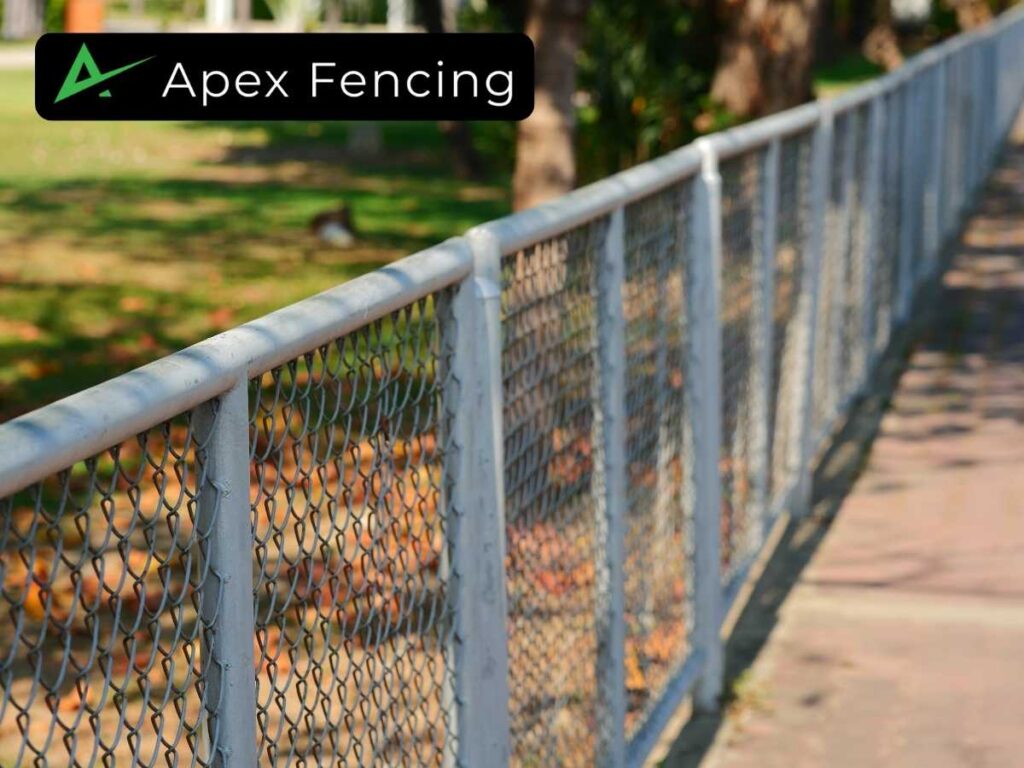
You can anchor leaning posts with concrete footings, steel sleeves, or quick-set foam to stop sagging panels; untreated posts may rot or fail in storms, and collapsed fences pose safety and liability risks.
Soil Composition Challenges in the Piedmont Region
Your clay-heavy Piedmont soil swells and shrinks, causing posts to heave and loosen; if left unchecked, post failure and gate misalignment increase during wet-dry cycles.
Reinforcing Footings to Prevent Perimeter Collapse
Anchor posts to reinforced concrete footings and add steel brackets so you stop lateral movement; perimeter collapse risk drops with proper reinforcement.
Consider digging footings below the local frost line, setting posts on compacted gravel, and pouring concrete around a sleeve or galvanized anchor; you should brace posts while curing and secure chain-link fabric to an embedded anchor or galvanized bracket to resist corrosion and high winds, reducing long-term maintenance and emergency repairs.
Re-tensioning Sagging Chain-Link Mesh
Tightening sagging mesh restores line, reduces stress on posts, and stops tails from pulling loose; you should address visible droops and mid-span sag promptly to prevent widening gaps and post damage.
Correcting Overstretched Fabric from Impact or Age
Impacts or long-term wear that overstretch the fabric leave gaps that invite intrusion; you can re-tension or replace affected runs to restore alignment and containment.
Adjusting Tension Bars and Bands for Enhanced Security
Check tension bars and bands for loose nuts or missing clips, because tightening them increases fence stiffness and reduces breach points, improving perimeter security you rely on.
Properly adjust tension bars by first loosening caps and seating the mesh evenly into the bar channel, then tighten bands incrementally so you apply uniform pull without tearing the fabric. You should replace corroded bands or bent bars and use a torque that secures the fence while leaving slight give to prevent sudden failure, which reduces post stress and security gaps.
Repairing Damaged Top Rails and Hardware
Inspect top rails and hardware regularly; bent rails or loose connectors create security risks and speed corrosion. You should tighten or replace failing parts promptly to stop further damage and avoid expensive, preventable repairs.
Replacing Bent Rails to Maintain Structural Integrity
Replace bent rails quickly to restore structural integrity; you protect the fence from sagging panels and misaligned gates when you swap damaged rails and secure end fittings properly.
Addressing Worn Ties and Corroded Connector Sleeves
Check worn ties and corroded connector sleeves for metal failure; replacing rusted ties prevents chain slippage and keeps fabric tight, preserving security and appearance.
Ignoring rusted ties lets the chain detach at connectors, creating security gaps and sharp edges that can injure people or pets; you should cut out corroded sleeves, install galvanized replacements, and tighten ties to restore tension and safety.
Restoring Gate Functionality and Alignment
You can restore gate alignment by adjusting posts, tightening braces, and resetting hinges to prevent gaps and safety hazards, keeping pets and children secure. Quick fixes stop rust spread and reduce larger repairs.
Leveling Sagging Gates for Proper Latching
Lift sagging gates by loosening hinge bolts, adding shims, or tightening tension rods so you achieve a consistent latch and avoid door drag that damages chain links.
Replacing Weather-Worn Hinges and Hardware
Check corroded hinges and bent brackets; replacing them restores smooth swing and reduces the risk of gate failure during storms or heavy use.
When hardware shows pitting or the gate droops despite adjustments, you should swap to galvanized or stainless replacements, use carriage bolts and lock washers, and lubricate moving parts; this stops accelerated corrosion, maintains alignment, and lowers the chance of sudden gate collapse that can injure people or pets.
Managing Destructive Vegetation Encroachment
Vegetation climbing or rooting against your chain-link undermines post stability; you should clear growth regularly. Roots and vines can bend posts and warp mesh, creating progressive damage homeowners often overlook.
Preventing Root Damage to Underground Support
Protecting underground posts means cutting invasive roots and installing root barriers; you should dig and inspect around bases annually. Roots can lift or loosen footings, so remove or redirect growth to keep posts vertical and secure.
Removing Weight Strain from Overhanging Limbs
Trim overhanging limbs that press on mesh; you should cut branches back to reduce sway and sag. Heavy limbs can rip panels or topple posts, causing sudden fence failures.
When branches hang over your fence, constant lateral load fatigues mesh and strains top rails, accelerating sag and connector failures. You should prune back to a safe clearance of at least 2-3 feet and remove or reduce branches larger than 2 inches to limit weight. If limbs are large or near power lines, hire an arborist. Inspect and tighten ties after storms; loosened connections invite collapse.
To wrap up
Delaying chain-link fence repair in Albemarle, NC can turn small issues like rust, sagging mesh, loose posts, bent rails, or a dragging gate into bigger safety, security, and property-value problems. Taking care of these chain-link fence issues early helps you avoid more expensive damage, restore proper function, and keep your fence strong enough to protect pets, children, and your perimeter. If your fence is leaning, corroded, loose, or no longer closing the way it should, Apex Fencing is here to help with dependable chain-link fence repairs in Albemarle and nearby areas. Our fence contractor in Albermarle, NC can inspect the damage, recommend the right fix, and help you restore a safer, more secure fence without waiting until the problem gets worse.