
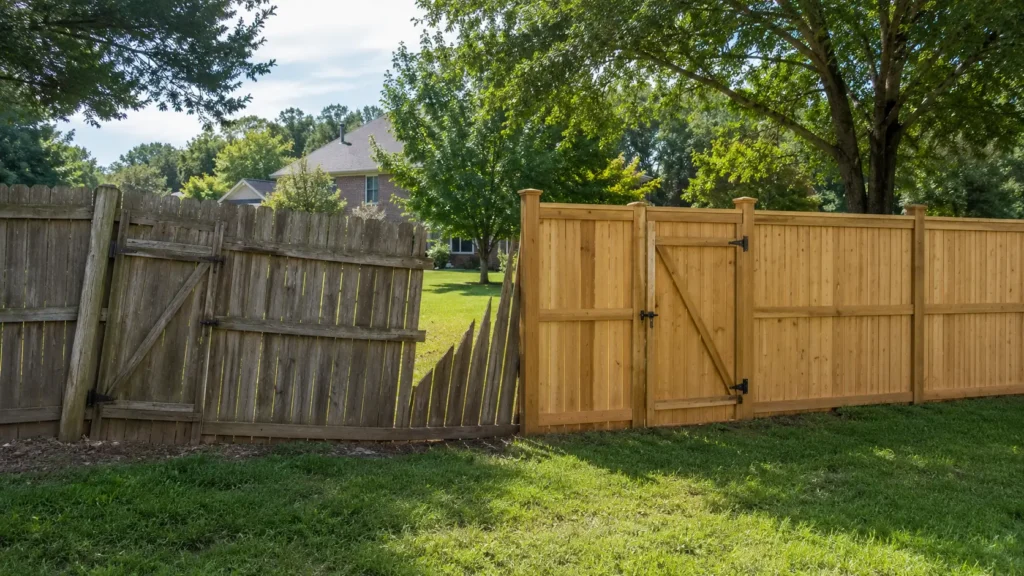
A damaged fence does not always need to be replaced. In many cases, a few repairs can restore its strength, appearance, and function. But if the damage is spread across several sections, the posts are weak, or the gate keeps failing, replacement may be the better long-term choice.
For Apex Fencing, this topic is a strong fit because the site already has many material-based blogs, but repair vs replacement helps answer a more urgent homeowner question: “Is this fence still worth fixing?” Apex already covers fence repair, wood, vinyl, aluminum, chain link, and gate-related topics across its blog strategy, so this article should connect those services naturally.
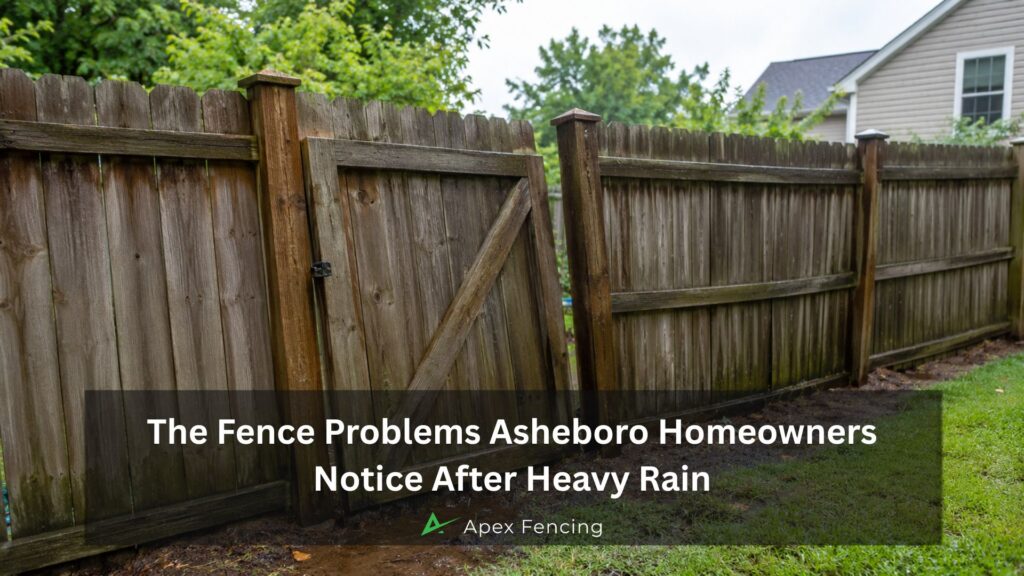
Key Takeaways
A fence repair usually makes sense when the damage is small, isolated, and the rest of the fence is still solid.
Fence replacement usually makes more sense when posts are leaning, multiple sections are failing, or the fence no longer provides privacy, security, or curb appeal.
The right decision depends on the fence material, the condition of the posts, the age of the fence, and how many repairs are needed.
A professional inspection can help you avoid spending money on repairs that only delay a replacement by a few months.
Repair vs Replacement by Fence Type
Different fence materials fail in different ways. That is why the decision should not be based only on how the fence looks from a distance.
Wood Fence Repair or Replacement
Wood fences are one of the most repairable fence types. Individual boards, rails, and sections can often be replaced without rebuilding the entire fence.
Repair may work if the damage is limited to:
- A few broken pickets
- One loose rail
- A small area of storm damage
- A gate that needs new hardware
- Minor surface wear
Replacement may be better if you see:
- Rot at the bottom of several posts
- Soft or crumbling wood
- Multiple leaning sections
- Widespread warping
- Repeated repairs in the same areas
- A fence that no longer stands straight
For wood fences, the difference between cosmetic aging and structural damage matters. Fading, discoloration, and light weathering may not mean the fence is failing. But rot, movement, and weak posts are signs that repair may not be enough.
Vinyl Fence Repair or Replacement
Vinyl fencing is low-maintenance, but it still can be damaged by impact, shifting posts, or cracked panels.
Repair may be possible when:
- One panel is cracked
- A rail has come loose
- A post cap is missing
- A gate needs adjustment
- A small section was damaged by impact
Replacement may be needed when:
- Multiple panels are cracked
- Posts are out of alignment
- The fence is brittle or aging unevenly
- Sections no longer match
- The fence has repeated gate or panel problems
With vinyl, matching older panels can sometimes be a challenge. If the existing fence is older, a new replacement panel may not match perfectly in color or style. That does not always mean full replacement is required, but it is something homeowners should consider.
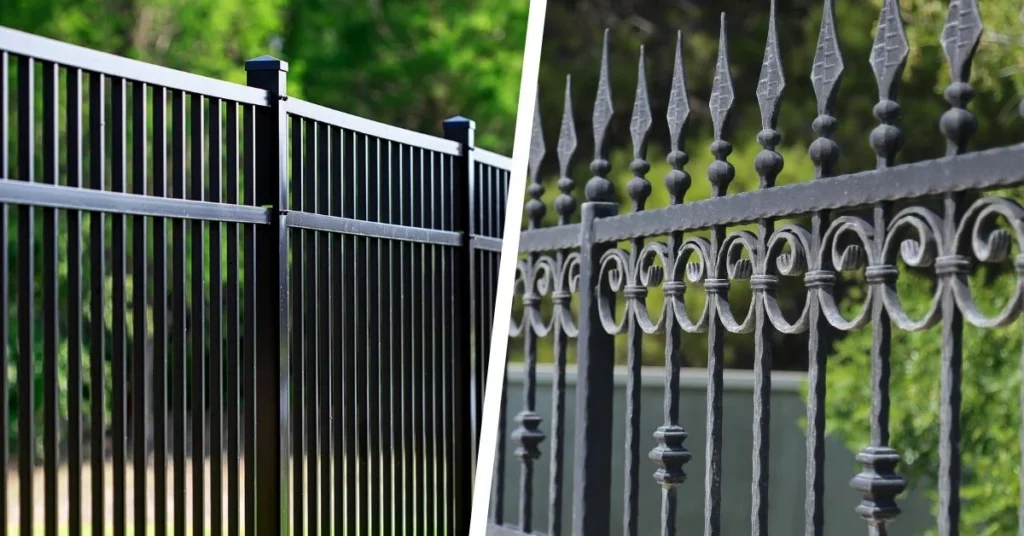
Aluminum Fence Repair or Replacement
Aluminum fencing is often used for clean lines, curb appeal, pools, and open visibility. It can last well when properly installed, but damage can still happen from impact, ground movement, or gate stress.
Repair may work if:
- One section is loose
- A picket is bent
- A gate needs hinge adjustment
- Hardware needs replacement
- A small section was hit or shifted
Replacement may be better if:
- Several sections are bent
- Posts are leaning
- The fence line is uneven
- The gate opening is no longer square
- The damage affects the appearance of a highly visible area
Because aluminum fences are often chosen for appearance, even small visible damage can bother homeowners. The decision may depend on whether the damaged section can be repaired cleanly or whether replacement will look better.
Chain Link Fence Repair or Replacement
Chain link fences are practical and repair-friendly. In many cases, damaged fabric, gates, tension wire, or posts can be fixed without replacing the entire fence.
Repair may make sense if:
- One section of fabric is bent
- A gate is not closing properly
- Tension wire is loose
- A post needs to be reset
- Privacy slats need adjustment or replacement
Replacement may be better if:
- Long sections are rusted
- Multiple posts are bent or loose
- The top rail is damaged in several places
- The fence no longer holds tension
- The fence is too short or no longer meets your security needs
For large yards and commercial properties, chain link repair can be a practical option. But if the framework is failing across a long run, replacement may provide a cleaner and stronger result.
Fence Gate Repair or Replacement
Fence gates often fail before the rest of the fence because they move every day. A gate has to swing, latch, support weight, and stay aligned with the posts around it.
Gate repair may work if:
- Hinges are loose
- The latch needs adjustment
- The gate drags slightly
- Hardware is worn
- The post is still solid
Gate replacement may be better if:
- The gate frame is twisted
- The hinge-side post is leaning
- The gate is too heavy for the post
- The gate has been repaired several times
- It no longer closes securely
- The opening needs a better layout
A sagging gate is not always just a gate problem. Sometimes the real issue is the post, the footing, the weight of the gate, or the way the gate was built.
Common Signs a Fence Is Worth Repairing
A fence is usually worth repairing when the main structure is still solid.
Good repair candidates often have:
- Straight posts
- Damage in only one or two sections
- Gates that can be adjusted
- Boards or panels that can be replaced cleanly
- No widespread rot or rust
- A layout that still works for the property
- A material style you still like
In this case, repair can extend the life of the fence without the cost and disruption of a full replacement.
Repair or Replace? A Simple Way to Think About It
Here is a practical way to decide:
Choose repair if the problem is small, the posts are strong, and the fence still works for your property.
Choose replacement if the damage is widespread, the posts are weak, or the fence no longer meets your needs.
A fence does not need to be perfect to be worth repairing. But it does need to be strong enough for the repair to last.
Final Recommendation
If your fence has one damaged area, a repair may be all you need. If the damage is spread across several sections, the posts are failing, or the gate keeps giving you problems, replacement may be the smarter choice.
For homeowners in Asheboro and nearby North Carolina communities, Apex Fencing can help inspect the fence, explain the repair options, and recommend whether repair or replacement makes more sense for the property.
A good fence decision should not be based only on what looks cheaper today. It should be based on what will keep your yard secure, usable, and looking good for years to come.