
Key Takeaways
Chain link fences are a popular choice for many homeowners in Denton, NC, offering durability and clear visibility. However, like any metal structure exposed to the elements, they are susceptible to rust, especially with North Carolina’s often humid climate. Rust, or iron oxide, forms when iron or its alloys are exposed to oxygen and moisture for prolonged periods. This chemical reaction not only compromises the aesthetic appeal of your fence but can also weaken its structural integrity over time if left untreated. Recognizing the early signs of rust – usually reddish-brown discoloration – is the first step in maintaining your fence’s longevity.
Addressing rust promptly is crucial, not just for the look of your property, but also to prevent more extensive damage that could lead to costly repairs or even full fence replacement down the line. As we move into the cooler months of November, taking the time to inspect and treat your fence can help protect it through the winter and beyond. This guide will walk you through practical, do-it-yourself methods to tackle rust and keep your chain link fence looking its best.
Understanding Rust on Your Chain Link Fence
Chain link fences are a popular choice for many homeowners in Denton, NC, offering durability and clear visibility. However, like any metal structure exposed to the elements, they are susceptible to rust, especially with North Carolina’s often humid climate. Rust, or iron oxide, forms when iron or its alloys are exposed to oxygen and moisture for prolonged periods. This chemical reaction not only compromises the aesthetic appeal of your fence but can also weaken its structural integrity over time if left untreated. Recognizing the early signs of rust – usually reddish-brown discoloration – is the first step in maintaining your fence’s longevity.
Addressing rust promptly is crucial, not just for the look of your property, but also to prevent more extensive damage that could lead to costly repairs or even full fence replacement down the line. As we move into the cooler months of November, taking the time to inspect and treat your fence can help protect it through the winter and beyond. This guide will walk you through practical, do-it-yourself methods to tackle rust and keep your chain link fence looking its best.
Gathering Your Tools for Rust Removal
Before you begin the rust removal process on your Denton property, gathering the right tools is essential for an efficient and safe job. You’ll need a sturdy wire brush or steel wool to tackle surface rust, and potentially some coarse-grit sandpaper for more stubborn spots. For safety, always wear heavy-duty gloves and eye protection to shield against rust particles and any cleaning solutions you might use. A bucket of water and some clean rags will be indispensable for rinsing and wiping.
Depending on the severity of the rust, you might also consider a specialized rust remover product, available at most hardware stores. Always read the manufacturer’s instructions carefully for these products. Additionally, having a primer designed for metal and outdoor-grade paint on hand is wise for protecting the cleaned areas afterwards. Preparing all your equipment beforehand ensures a smooth workflow and minimizes interruptions, allowing you to focus on restoring your fence effectively.
Step-by-Step Guide to Manual Rust Removal

For light to moderate rust on your chain link fence, manual removal is often the most straightforward approach. Begin by using a stiff wire brush or steel wool to vigorously scrub the rusted areas. The goal here is to physically scrape off all loose, flaky rust particles. Apply firm pressure and work in small sections, ensuring you get into all the nooks and crannies of the chain link mesh. For patches of rust that are more deeply embedded or resistant to the wire brush, switch to coarse-grit sandpaper.
Sanding helps to abrade the rust off the metal surface, creating a smoother finish. Remember to continually inspect your work to ensure all visible rust is removed. After you’ve thoroughly brushed and sanded, use a clean, dry cloth to wipe away any rust dust and debris. This step is critical because any remaining rust particles could compromise the effectiveness of subsequent treatments and coatings. Taking your time with this manual process ensures a clean base for the next stages of rust prevention for your Denton home’s fence.
Chemical Rust Removers: When and How to Use Them
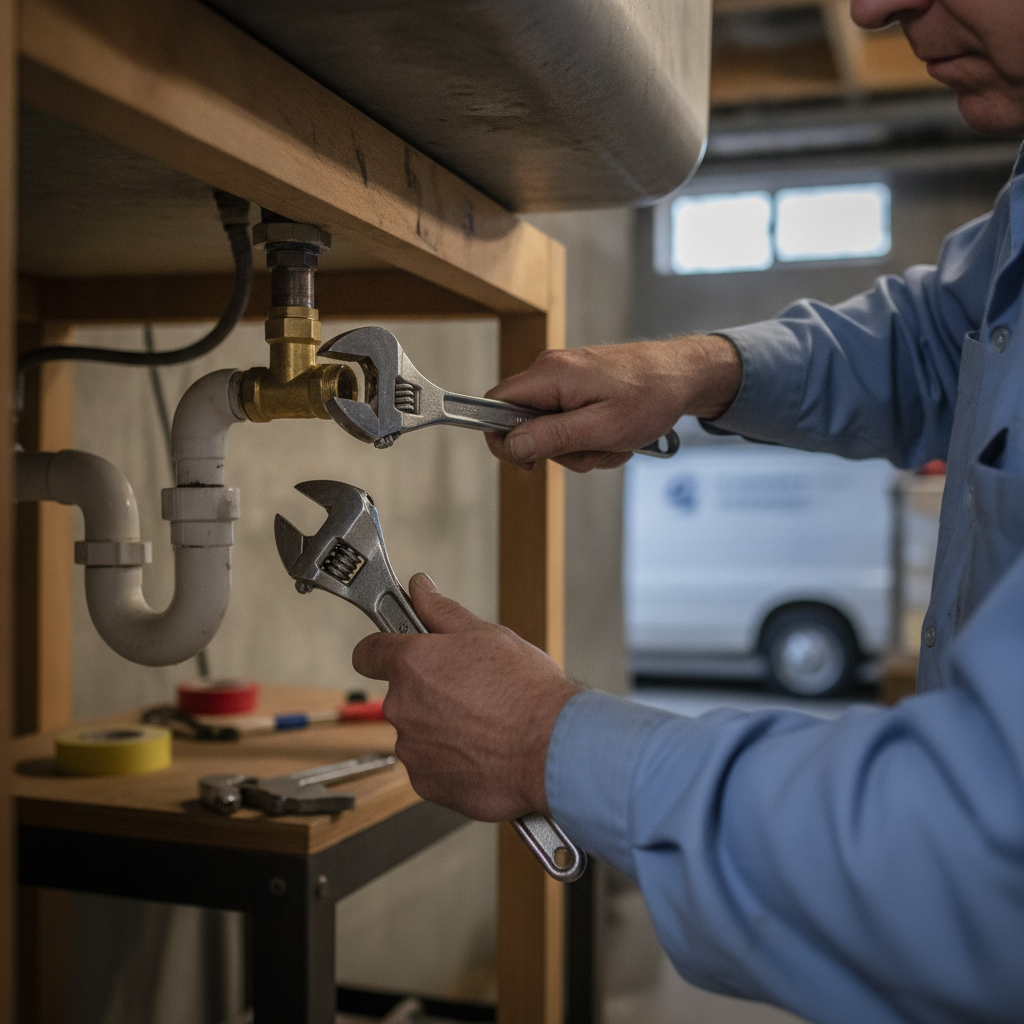
When manual scrubbing isn’t enough to tackle extensive or deeply embedded rust on your chain link fence, chemical rust removers can be a powerful ally. These products contain acids or chelating agents that react with rust to dissolve or convert it, making it easier to remove. It’s crucial to select a product specifically designed for metal and outdoor use, and always follow the manufacturer’s safety instructions to the letter. This includes wearing appropriate personal protective equipment, such as chemical-resistant gloves and eye protection, and ensuring good ventilation.
Apply the rust remover according to the product’s directions, typically by brushing or spraying it onto the rusted areas. Allow it to sit for the recommended duration, giving the chemicals time to work their magic. After the specified time, you’ll usually need to scrub the area again with a brush to remove the loosened rust and then rinse the fence thoroughly with water. Ensure all chemical residue is washed away, as lingering chemicals can sometimes cause further damage or interfere with new coatings. Proper rinsing is particularly important in Denton, NC, where residual moisture could otherwise promote new rust formation.
Cleaning and Preparing the Surface
Once you’ve successfully removed the rust, whether manually or with chemical assistance, the next critical step is to thoroughly clean and prepare the fence surface. This ensures optimal adhesion for any protective coatings you plan to apply. Start by rinsing the entire treated area with clean water to remove any remaining rust particles, chemical residues, or cleaning agents. A garden hose with good pressure usually works well for this. For a more thorough clean, you can use a mild detergent mixed with water and scrub the fence with a soft brush, then rinse again.
After rinsing, it’s absolutely vital to allow the fence to dry completely. Any lingering moisture can trap humidity beneath new coatings, creating a perfect environment for rust to reappear. In North Carolina’s climate, allowing ample drying time, perhaps even a full sunny day, is a wise precaution. A clean, dry, and smooth surface is the ideal canvas for applying primers and paints, setting the stage for long-lasting protection against future corrosion for your Denton property.
Protecting Your Fence: Priming and Painting

After the laborious process of rust removal and thorough cleaning, protecting your chain link fence from future corrosion is paramount. The first layer of defense should be a high-quality metal primer. Choose a rust-inhibiting primer specifically formulated for outdoor metal surfaces. Apply the primer evenly to all areas where rust was removed, and ideally, to the entire fence for comprehensive protection. The primer creates a barrier that seals the metal, preventing moisture and oxygen from reaching it and halting the rust formation process.
Once the primer has dried according to the manufacturer’s instructions, you can proceed with painting. Select an exterior metal paint that matches your fence’s original color or choose a new shade to refresh its look. Applying two thin coats of paint is often more effective than one thick coat, providing better coverage and a more durable finish. This protective coating not only enhances the appearance of your fence in Denton but also adds a crucial layer of defense against the humid weather conditions, significantly extending its lifespan. If you notice structural issues beyond simple rust, professional fence repair might be needed.
Preventing Future Rust in Denton's Climate
Preventing rust from returning to your chain link fence in Denton, NC, requires ongoing vigilance and proactive measures. Given North Carolina’s humid climate, moisture is a constant factor, making regular maintenance essential. Periodically inspect your fence for any new signs of rust, especially after periods of heavy rain or humidity. Address small rust spots immediately with a wire brush and touch-up paint before they can spread. Keeping your fence clean by washing away dirt, debris, and pollen also helps, as these can trap moisture against the metal.
Consider trimming back vegetation that might be growing too close to the fence, as plants can hold moisture against the metal and create shaded, damp conditions conducive to rust. Ensuring proper drainage around the fence line can also minimize standing water exposure. For those seeking long-term solutions or facing extensive wear, consulting with a professional Fence Contractor in Denton can provide expert advice and services to fortify your fence against the elements, ensuring its beauty and function for years to come.