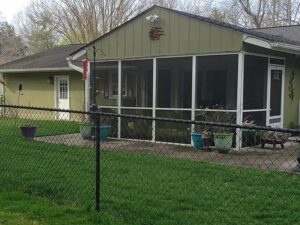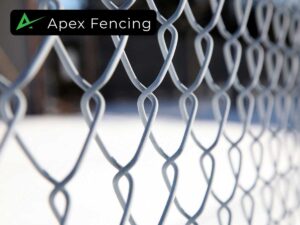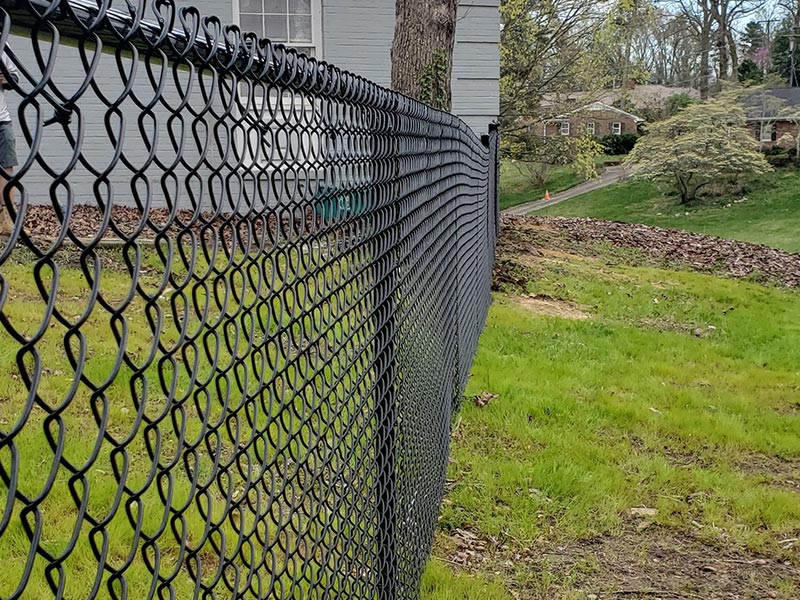
Chain-Link galvanized fencing is often best when you need lower upfront and maintenance costs, rust-resistant durability, and quick installation, while wood presents rot and termite damage risks and higher long-term replacement costs you should avoid.
Key Takeaways:
- Galvanized chain-link withstands Denton’s humid climate better than wood, resisting rot, warping, and termite damage.
- Lower lifetime cost with chain-link due to minimal upkeep, no staining or sealing, and a longer lifespan compared with wood replacement cycles.
- Chain-link suits properties needing clear sightlines, good drainage, or quick installation, with privacy slats available when screening is desired.
Climate Resilience: Combating North Carolina Humidity and Pests
Galvanized chain-link protects you from North Carolina humidity and pests, needing less upkeep than wood while resisting mold and corrosion; you gain longer lifespan and fewer repairs, ideal for Denton yards.
Resistance to rot and decay in the Piedmont soil
Pine posts in Piedmont soil often rot quickly, leaving you with repeated replacements; galvanized posts resist moisture so you avoid ongoing decay and replacement cost.
Superior performance against local termite populations
Termites avoid galvanized steel, so you reduce infestation risk and cut the chance of hidden structural damage that wooden fencing can suffer.
Research of local infestations shows termites target cellulose and damp wood, so you should pair galvanized fencing with metal or concrete posts and remove wood contact points; you minimize exposure by replacing wooden posts, adding physical barriers, and scheduling inspections to prevent escalating termite damage and costly repairs.
Structural integrity during high-wind storm events
Chain-link allows wind to pass through its mesh, lowering pressure on the fence and reducing failure points so you get better storm resilience than solid wooden panels.
Anchoring posts deep in concrete, using heavier-gauge wire and proper tensioning helps you meet local wind-load requirements; you should space supports correctly and inspect anchors after storms to limit blowover risk and post shear during Denton’s high-wind events.
Maintenance Comparison: Long-Term Time and Labor Savings
Maintenance Snapshot
| Galvanized Chain-Link | Wood Fence |
|---|---|
| Low routine care, occasional cleaning, rare repairs | Annual staining/sealing, frequent board and post replacements |
Chain-link fences require far less upkeep than wood, saving you hours and money over years; galvanized zinc eliminates annual staining and reduces repairs, so you get clear long-term time and labor savings.
Eliminating the recurring costs of staining and sealing wood
You stop paying for yearly stains, sealants, and the labor to apply them when you choose galvanized chain-link, cutting both material costs and the hidden expense of missed maintenance that leads to rot and fast deterioration.
The “set-and-forget” nature of galvanized zinc coatings
Galvanized zinc creates a protective layer you rarely need to reapply, turning major maintenance days into quick inspections and delivering lasting corrosion resistance for years.
Galvanization Details
| Coating Type | What it means for you |
|---|---|
| Hot-dip galvanizing | Thicker, long-lasting barrier-expect decades of protection with minimal care |
| Electro-galvanizing | Thinner layer-still protective but may need attention sooner in harsh conditions |
Zinc coatings resist corrosion so you avoid frequent touch-ups; in Denton, NC environments you can expect 20-30+ years from a quality hot-dip coat under normal conditions, with only occasional rinses or spot checks required to maintain performance.
Ease of repair and cleaning compared to organic materials
Cleaning chain-link is simple-hose it and use mild detergent for grime-and repairs typically mean swapping a panel or re-tensioning wire, saving you time versus replacing warped or rotten wood boards and posts, which demand more labor and disposal work.
Repair & Cleaning Comparison
| Issue | Time & Tools for You |
|---|---|
| Surface dirt | Minutes with water and brush |
| Damage to section | Hours and basic tools to replace panel vs days and carpentry for wood |
Minor fixes on chain-link usually require basic hand tools and take a few hours, letting you restore function quickly and keep costs low, while wood repairs often need excavation, carpentry skills, and longer downtime, increasing labor expenses.
Economic Advantages for Denton’s Large Acreage Properties
You will find galvanized chain-link often offers lower upfront costs and minimal maintenance across acres, letting you prioritize grazing or crops instead of repairs while preserving property access and functionality for years.
Lower material cost per linear foot for expansive boundaries
Galvanized chain-link gives you a lower material cost per linear foot for long runs, so fencing hundreds of feet costs far less than wood, freeing budget for gates or other improvements.
Maximizing return on investment through extended service life
Choosing galvanized chain-link helps you realize a higher return on investment because it withstands weather and pests, reducing replacement costs and keeping resale value stronger over time.
Longer service life means you spend less on repairs and replacements; you can expect galvanized chain-link to last 20-30 years with basic upkeep versus 7-15 years for many wooden fences, so your annualized fencing cost drops significantly.
Reduced insurance liability for secure perimeter fencing
Insurance companies often view galvanized chain-link as a secure, visible perimeter, which can lower your premiums and simplify claims by reducing unauthorized access and related liabilities.
Lowering your liability comes from clear sightlines, durable gates, and anchoring that deter intruders; you can present reduced-premium evidence and inspection-ready fencing to insurers, often translating to measurable annual savings.
Functional Superiority in Rural and Suburban Landscapes
Galvanized chain-link gives you a longer lifespan than wood in Denton, NC, resisting rot, pests, and weather while needing low maintenance. It preserves property lines and lowers replacement costs, making it practical where function matters more than aesthetics.
Maintaining visibility and airflow for gardens and livestock
Visibility through chain-link lets you monitor animals and crops while preserving airflow that reduces heat stress and disease risk. You spot weaknesses and predators quickly without blocking sunlight, keeping your garden and livestock healthier with less upkeep.
Deterring trespassers without creating visual barriers
Perimeter chain-link deters trespassers while keeping sightlines open; you can add height or barbed wire for extra deterrence without obstructing views, maintaining security and neighborly openness.
You can integrate anti-climb measures-angled top rails, barbed or razor wire, tamper-resistant gates, and heavy-duty latches-to increase resistance without blocking sight. Inspect anchors and hardware regularly to eliminate vulnerabilities that invite entry attempts or injury.
Versatility in height and gauge for specific security needs
Height and wire gauge options let you match fence strength to purpose-taller, heavier gauge for security, lower, lighter for pet or garden use. You choose materials that balance cost, appearance, and performance for each property.
Selecting the right specs gives you targeted protection: 9-gauge wire with 6-10 foot heights deters intruders, while 11-12.5 gauge suits pet containment. Opt for a galvanized coating in Denton, NC to resist corrosion and pair proper post spacing and top rails to avoid sagging and repairs.
Installation Efficiency for Local Topography
Galvanized chain-link fits Denton’s varied ground so you can set posts without heavy regrading; mesh can be stepped or shaped to follow contours, cutting labor and preserving soil. Choose chain-link when you need fast, cost-effective installation that respects existing ground conditions.
Adapting to the uneven terrain and slopes of Davidson County
Slopes in Davidson County let you install stepped posts and tensioned mesh rather than mass excavation, so you reduce soil movement and keep erosion risk lower than with large timber or extensive grading methods.
Faster project completion times for immediate property protection
You gain fence coverage in days, providing immediate protection from trespass and animals and avoiding long delays that hurt schedules or rentals.
Contractors often rely on pre-galvanized materials and simple post-setting techniques, which means fewer deliveries, less heavy equipment time, and quicker site cleanup-so you face reduced downtime and lower hazard exposure during installation, and your property is secured far sooner than with custom wood builds.
Minimal site disruption during the post-setting process
Post-setting for chain-link disturbs less soil, giving you limited machinery tracks, easier turf repair, and fewer exposed roots; expect minimal disturbance and faster landscaping restoration.
Vegetation and surface features are preserved because installers dig only narrow holes for posts, which cuts soil compaction and limits root damage; you’ll spend less on replanting, see quicker regrowth, and avoid prolonged erosion control work after the fence is set.
Sustainability and Environmental Impact
Sustainability guides how you choose fencing: galvanized chain-link’s longer lifespan means you replace it far less often than chemically treated wood, cutting waste and ongoing maintenance impacts for your Denton property.
Recyclability of steel versus chemically treated lumber
Steel is nearly 100% recyclable, so when you replace chain-link parts they can be reclaimed; chemically treated lumber often ends up as hazardous waste, forcing you into costly disposal or landfill restrictions.
Reducing the carbon footprint of frequent fence replacements
Frequent fence replacements increase embodied emissions; you cut emissions by choosing galvanized chain-link with a longer life and lower maintenance, yielding fewer replacements and less transport-related impact.
Calculations you can request from contractors show that while steel production emits more upfront, the extended lifespan of galvanized chain-link-often several decades-spreads those emissions over far more years than wood, which may rot or require treatment within a decade. You also avoid routine chemical treatments and repeated delivery trips, leading to measurably lower lifecycle emissions and less frequent material waste on your Denton site.
Compliance with Denton building codes and zoning requirements
Local Denton codes may allow chain-link but impose standards; you must check permits, height limits, setbacks, and finish requirements to ensure your fence meets zoning rules and avoids fines.
Consult Denton’s building and planning departments before ordering materials: you should confirm permit fees, required setbacks, maximum heights, and whether fencing in your area needs screening or a specific finish. Historic districts, floodplain rules, or neighborhood covenants can add restrictions, and noncompliance can trigger stop-work orders, removal demands, or fines, so keep written approvals on file.
Summing up
When durability, lower upkeep, and long-term value matter most, galvanized chain-link fencing in Denton, NC often makes more sense than wood. It holds up better against moisture, pests, wind, and changing ground conditions while avoiding many of the ongoing problems that come with wood fencing, such as rot, warping, termite damage, staining, and repeated repairs. For large properties, rural land, pet containment, or projects where function matters more than full visual screening, a galvanized chain-link fence can be the more practical and cost-effective choice. If you are comparing fence options for your property, Apex Fencing can help you decide whether chain-link fencing in Denton, NC is the right fit for your needs, budget, and layout. Our team provides dependable fencing solutions designed for local conditions, long-term performance, and everyday use.