Key Takeaways
Ramseur, North Carolina, is a charming town known for its community spirit and scenic landscapes. However, beneath its picturesque surface lies a geological characteristic that homeowners and contractors alike must contend with: the omnipresent red clay soil. This distinctive soil type is a defining feature of the Piedmont region, and while it contributes to the area’s rich agricultural history, it presents significant challenges, particularly when it comes to construction and, specifically, the stability of fence foundations. Understanding the properties of this soil is the first step in ensuring the longevity and integrity of any outdoor structure.
Red clay is characterized by its high plasticity and density, meaning it contains a large percentage of fine particles that absorb and retain water. This leads to substantial expansion when wet and considerable shrinkage when dry. Ramseur’s climate, with its cycles of heavy rainfall and periods of drought, exacerbates these natural tendencies. The constant fluctuation in soil volume places immense stress on anything embedded within it, including fence posts. Without proper consideration and preventative measures, this dynamic soil can lead to leaning fences, compromised structural integrity, and costly repairs for homeowners throughout Ramseur, NC.
The Unique Challenge of Ramseur's Red Clay Soil
Ramseur, North Carolina, is a charming town known for its community spirit and scenic landscapes. However, beneath its picturesque surface lies a geological characteristic that homeowners and contractors alike must contend with: the omnipresent red clay soil. This distinctive soil type is a defining feature of the Piedmont region, and while it contributes to the area’s rich agricultural history, it presents significant challenges, particularly when it comes to construction and, specifically, the stability of fence foundations. Understanding the properties of this soil is the first step in ensuring the longevity and integrity of any outdoor structure.
Red clay is characterized by its high plasticity and density, meaning it contains a large percentage of fine particles that absorb and retain water. This leads to substantial expansion when wet and considerable shrinkage when dry. Ramseur’s climate, with its cycles of heavy rainfall and periods of drought, exacerbates these natural tendencies. The constant fluctuation in soil volume places immense stress on anything embedded within it, including fence posts. Without proper consideration and preventative measures, this dynamic soil can lead to leaning fences, compromised structural integrity, and costly repairs for homeowners throughout Ramseur, NC.
How Red Clay Impacts Fence Post Stability
The expansive nature of Ramseur’s red clay has a direct and often detrimental impact on fence post stability. When the soil becomes saturated with rainwater, it swells, exerting significant upward and lateral pressure on embedded fence posts. This phenomenon, known as ‘soil heave,’ can lift posts out of the ground or cause them to lean at an angle. Conversely, during dry spells, the clay contracts, pulling away from the post and creating voids. This shrinkage can lead to a loss of support, allowing posts to settle unevenly or shift, further compromising the fence line’s integrity. These cycles of expansion and contraction weaken the foundation over time, making fences susceptible to damage from wind or even minor impacts.
Moreover, the poor drainage characteristics of red clay mean that water can remain trapped around the base of fence posts for extended periods. For wood fences, this constant moisture contact significantly accelerates rot and decay, even for pressure-treated lumber. Metal posts, while not susceptible to rot, can still experience accelerated corrosion in perpetually damp conditions. Addressing these challenges requires more than just digging a hole and dropping in a post; it demands a nuanced understanding of soil mechanics and durable solutions. For homeowners seeking robust and lasting solutions, consulting a skilled Fence Contractor in Ramseur is essential to navigate these unique local conditions effectively.
Understanding Soil Hydration and Its Effects
The degree of soil hydration plays a pivotal role in determining the stability of fence foundations in Ramseur, NC. Red clay’s microscopic structure allows it to absorb a remarkable amount of water, swelling significantly in the process. This isn’t just about surface moisture; water can penetrate deep into the ground, affecting the entire length of a fence post’s foundation. During prolonged rainy periods, common in Ramseur, the ground can become supersaturated, leading to maximum expansion and pressure on posts. This continuous stress can gradually loosen the soil around the post, even after the clay dries and contracts, leaving a less stable footing for the next cycle.
Improper site preparation or a lack of effective drainage solutions can severely exacerbate these issues. If rainwater is allowed to pool around the base of fence posts, or if the surrounding landscape isn’t graded to direct water away, the clay will remain saturated for longer, intensifying the expansion and contraction cycles. This makes the fence foundation inherently unstable and prone to movement. Therefore, when undertaking any new fencing project, especially fence installation in Ramseur, it is critical to consider how water will interact with the soil around each post. Implementing strategies to manage soil hydration is not merely an option but a necessity for building a fence that stands strong against the test of time and Ramseur’s distinct red clay environment.
Common Fence Foundation Issues in Ramseur Homes
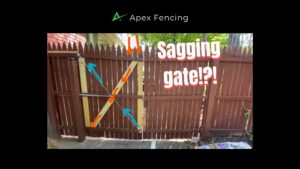
Homeowners in Ramseur, NC, often encounter a range of specific problems stemming from the challenging red clay soil beneath their fences. One of the most frequently observed issues is sagging fence lines, where sections of the fence appear to dip or become uneven, indicating that some posts have settled more than others. Another common complaint involves leaning posts, which can tilt dramatically, compromising the entire structure’s aesthetic appeal and functionality. In many cases, these problems manifest as cracked concrete footings, where the expansive pressure of the clay soil has caused the concrete to fracture, further weakening the post’s anchorage.
Beyond the structural integrity of the fence line itself, the impact of red clay drainage issues can also be seen in related components. For instance, gates that once opened and closed smoothly may begin to stick, drag, or refuse to latch properly, often due to the shifting of their support posts. Addressing these misalignments frequently requires specialized knowledge and can become a recurring nuisance if the underlying soil issues aren’t resolved. Homeowners in Ramseur often find themselves needing gate repair in Ramseur services to correct these problems. Ultimately, these common issues are not just signs of wear and tear but clear indicators that the fence’s foundation is struggling against the persistent forces of the local red clay soil, underscoring the need for informed installation and maintenance practices.
Best Practices for Mitigating Red Clay Drainage Problems
Effectively mitigating the drainage challenges posed by Ramseur’s red clay soil for fence foundations requires a strategic approach from the outset. One crucial best practice involves proper post hole preparation. Rather than simply digging a straight hole, professionals often recommend creating a bell-shaped footing at the bottom of the hole. This wider base provides a more stable anchor against uplift pressure from soil heave. Additionally, introducing a layer of gravel or crushed stone at the bottom of the post hole can significantly improve drainage, allowing water to dissipate more effectively away from the post’s base and preventing prolonged saturation of the surrounding clay.
Another vital consideration is the backfill material used around the post. While many opt for concrete, ensuring it’s properly mixed and cured is essential. Some methods also incorporate a sleeve around the post, or a gravel collar at the surface, to further reduce direct contact between the post and the expansive clay. Furthermore, proper site grading around the fence line is indispensable. Sloping the ground slightly away from the fence can prevent water from pooling, directing it instead into designated drainage areas. Implementing these preventative measures during the initial installation phase can dramatically enhance the fence’s stability and longevity, saving homeowners in Ramseur from future headaches and costly repairs associated with red clay-induced foundation issues.
Material Choices and Their Resilience to Soil Conditions
When planning a fence in Ramseur, NC, the choice of material can significantly influence its resilience to the local red clay soil conditions. Each material type interacts differently with moisture and soil movement, making some more suitable than others, or requiring specific installation techniques to ensure durability. For instance, traditional wood fences, while aesthetically pleasing and popular, are highly susceptible to rot and decay when their posts are in constant contact with the perpetually damp red clay. Even pressure-treated wood can eventually succumb if not properly drained. Therefore, for wood fence installation in Ramseur, extra precautions like gravel drainage and post sleeves are paramount.
Vinyl fences, on the other hand, are impervious to rot and insects, making them a more resilient option against moisture. However, the stability of their posts still depends entirely on a well-constructed foundation that can withstand soil expansion and contraction. Aluminum fences are rust-resistant and lightweight, experiencing minimal direct impact from moisture, but their slender posts still require robust footings to prevent shifting in expansive clay. Chain link fences, known for their durability and low maintenance, also rely on securely anchored posts to maintain tension and alignment. Regardless of the material chosen, the underlying principle remains: a strong, well-drained foundation designed to counteract the specific challenges of Ramseur’s red clay is the ultimate determinant of a fence’s long-term stability and performance.
Long-Term Maintenance and Repair Strategies
Even with the most meticulous initial installation, long-term maintenance is crucial for fences in Ramseur, NC, especially given the continuous challenges posed by red clay soil. Homeowners should regularly inspect their fence lines for any signs of distress, such as leaning posts, sagging sections, or gates that no longer operate smoothly. Early detection of these issues can prevent minor problems from escalating into major structural failures. Pay close attention to the ground directly around the fence posts; if you notice new cracks in concrete footings or significant gaps between the post and the soil during dry periods, these are clear indicators of soil movement.
Beyond structural checks, managing drainage around the fence is an ongoing task. Ensure that downspouts from nearby gutters are directed away from the fence line and that the surrounding landscape maintains a slight grade to encourage water runoff. Clearing debris and vegetation from the fence base can also help prevent moisture from lingering. Should issues arise, prompt fence repair in Ramseur is advisable. Addressing a single leaning post or a section of compromised fencing immediately can prevent a domino effect that impacts the entire structure. Understanding the unique soil conditions of Ramseur, NC, and pairing that knowledge with proactive maintenance is key to preserving your fence’s integrity for years to come.